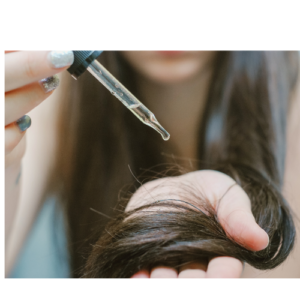
How to Oil Your Hair Properly: A Step-by-Step Guide. Oiling your hair properly can transform the health of your strands, giving them the nourishment they need to stay strong and shiny. Whether you’re dealing with dryness, breakage, or simply want to boost hair growth, learning how to oil your hair properly is essential. In this step-by-step guide, we’ll walk you through the best techniques and tips to make the most out of your hair oiling routine, helping you achieve healthier, more beautiful hair with ease.
Benefits of Oiling Your Hair
Before diving into the process, let’s quickly look at why you should incorporate hair oiling into your routine:
- Nourishment: Oils provide essential nutrients to the scalp, promoting healthy hair growth and improving overall hair health.
- Strengthens Hair: Regular oiling can help prevent hair breakage, split ends, and thinning.
- Prevents Dryness: Oiling helps lock in moisture, keeping hair hydrated and smooth.
- Improves Scalp Health: It can reduce dandruff, flakiness, and dryness on the scalp, contributing to healthier roots.
- Adds Shine and Softness: Oiled hair tends to be shinier and softer, with less frizz. According to dermatology experts, regular benefits hair oiling can improve scalp health and reduce hair damage.
Step-by-Step Guide to Oiling Your Hair
Step 1: Choose the Right Hair Oil
Selecting the right oil is crucial for getting the most out of your hair care routine. Different oils serve different purposes, so here are some options based on your needs:
- Coconut Oil: Best for deep conditioning and reducing hair fall.
- Argan Oil: Great for dry, frizzy hair and adding shine.
- Olive Oil: Ideal for dry or damaged hair and improving scalp health.
- Castor Oil: Known for promoting hair growth and thickening hair.
- Jojoba Oil: Excellent for maintaining a healthy scalp, especially for those with oily hair.
Make sure to choose an oil that aligns with your hair’s specific needs and texture.
If you’re unsure which oil suits your hair best, check our detailed guide on almond oil vs coconut oil for hair to make the right choice.
Step 2: Warm the Oil (Optional)
Warming your oil can help it penetrate deeper into your hair and scalp, providing better nourishment. You can warm the oil in a microwave-safe container for 10–15 seconds or place the bottle in a bowl of hot water. Be careful not to overheat the oil, as extremely hot oil can burn your scalp.
Step 3: Part Your Hair and Apply the Oil
To evenly distribute the oil, divide your hair into sections. Start from the scalp and apply the oil in small amounts. Use your fingertips to gently massage the oil into your scalp, starting from the roots and moving toward the ends of your hair. Be gentle during this process to avoid causing any hair breakage. Focus on massaging the oil into your scalp for 5–10 minutes to improve circulation and promote healthy hair growth.
Step 4: Apply Oil to the Lengths of Your Hair
Once your scalp is well-oiled, apply the remaining oil to the length of your hair. Take a small amount of oil in your palms and smooth it over your hair, starting from the mid-lengths and working towards the ends. The ends of your hair tend to be the most damaged and dry, so ensure they are well-coated.
Step 5: Leave the Oil On for the Right Amount of Time
After applying the oil, let it sit for at least 30 minutes to an hour. For deep conditioning, you can leave the oil on overnight. If you’re in a rush, 30 minutes can still offer some benefits. If you choose to leave it overnight, you might want to cover your hair with a shower cap or towel to avoid staining your pillows.
Step 6: Wash Your Hair Thoroughly
After the oil has had time to work its magic, it’s time to wash it out. Use a mild shampoo to cleanse your hair thoroughly. You may need to shampoo twice to completely remove the oil, especially if you’ve used a heavier oil like castor oil. Be gentle when washing to avoid stripping your hair of its natural oils.
Step 7: Condition Your Hair (Optional)
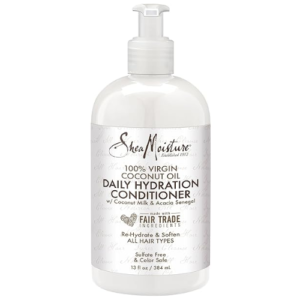
If desired, follow up with a conditioner to lock in moisture and ensure your hair is smooth and manageable. You can use a leave-in conditioner or a regular conditioner, depending on your hair type and needs.
Tips for Effective Hair Oiling
- Don’t Overdo It: While oiling is beneficial, too much oil can weigh down your hair and lead to a greasy appearance. Use a small, appropriate amount.
- Consistency is Key: Regular oiling, at least once a week, will yield the best results.
- Avoid Oiling Over Dirty Hair: For best results, oil your hair before washing, not on already-oiled or dirty hair.
- Be Patient: It may take a few weeks to notice significant improvements in hair growth, texture, and strength.
Common Mistakes to Avoid While Oiling Hair - Applying too much oil, making hair greasy
- Leaving oil on for too long (can attract dust & buildup)
- Using very hot oil (can damage scalp)
- Not washing oil properly
- Skipping scalp massage
How Often Should You Oil Your Hair?
The frequency of oiling depends on your hair type and concerns. Here are some general guidelines:
- Dry Hair: Oiling twice a week will help restore moisture and prevent further damage.
- Oily Hair: Once a week is sufficient, as too much oil can weigh hair down and clog pores.
- Damaged Hair: Oiling twice a week can help nourish damaged strands and promote repair.
Frequently Asked Questions (FAQ)
It is best to oil your hair before washing to protect it from dryness.
No, 1–2 times a week is enough for most hair types.
30 minutes to overnight is ideal depending on your hair type.
Coconut oil, castor oil, and almond oil are excellent for promoting hair growth.
Yes, but avoid it if you have oily scalp or dandruff issues.
Conclusion
Oiling your hair properly is a simple yet powerful step in maintaining strong, healthy, and shiny hair. By choosing the right oil, applying it correctly, and following a consistent routine, you can significantly improve your hair’s texture, strength, and overall health. Remember to avoid common mistakes, be consistent, and give your hair the care it deserves for long-lasting results.
About the Author – Richeya
Richeya is a passionate content creator specializing in natural hair care, skincare, and home remedies. She shares practical, easy-to-follow tips to help readers achieve healthier hair using simple routines and trusted methods. Her goal is to provide reliable and effective solutions for everyday hair care needs.